The following is a guide on how to write an ideal blog post with keywords and other elements that support good SEO practices. You can view this guide via the link provided above.
To create a finalized blog post, you’ll go through a series of steps, including gathering information through research, writing, and then making edits to produce the final piece of content for your blog in Website Design in Digital Marketing
The result of producing a well-written blog post or article is an offering or value to the reader when they engage with your blog, specifically by answering questions that the reader may have.
To successfully create engaging blog content, below is a summary of the ten steps you should take.
When you’re writing a blog post, there are certain aspects of the creation process that you must keep in mind. Many of these aspects are common sense, but still could benefit from some explanation in Website Design in Digital Marketing.
Successfully Create Engaging Blog Content
1. Keyword/Phrase in Website Design in Digital Marketing
Finding a keyword or phrase is important when coming up with an idea for your blog post. Consider how many searches your keyword/phrase receives each month. What are the chances you will successfully rank for your keyword/phrase? Ideally, you want a keyword/phrase that will receive a minimum of 100 – 300 searches each month, and also one that will not be too difficult to rank for Website Design in Digital Marketing.
2. Title in Website Design in Digital Marketing
Your title should be compelling. Use the most effective writing style and vocabulary when creating a title.
3. Structure in Website Design in Digital Marketing
Create an outline of all the ideas you plan to discuss in your blog post. Keep in mind that it is important to be organized when writing your blog post because the reader will expect to find information laid out in sequential order.
4. Keywords/Keyphrases in Website Design in Digital Marketing
Keep your keyword/keyphrase located throughout your entire post. In addition, begin each of your paragraphs (except for the first paragraph of your post) with this keyword/keyphrase.
5. Headings/Subheadings in Design in Digital Marketing
Using headings and subheadings within your post is a great way to segment and separate your content into smaller and more easily read sections.
6. Links in Website Design in Digital Marketing
You should be including links to other related websites and/or articles within your blog post. Links can be included while writing the blog post or added to the web page where you publish it.
7. Multimedia in Website Design in Digital Marketing
Utilizing various types of multimedia (e.g., images, videos, graphs, etc.) will enhance your post and help your audience understand the message you are trying to convey within your blog post.
8. Backlinks in Website Design in Digital Marketing
Include original backlinks to your blog post from other blogs or websites; these will direct readers who click on the URL to your blog post directly.
9. Length of Post in Website Design in Digital Marketing
Consider breaking longer than 1,000-word blog posts into several posts for your audience.
10. Frequency to Blog in Website Design in Digital Marketing
You should continue to blog at least on a weekly basis.
Unique Branding and Clear Value Proposition
Fast Load Time — to offer a seamless browsing experience for our users
Mobile-Friendly, Responsive Design
Easy and Intuitive to Navigate Page Structure/Design
SEO-Friendly Page Structure and Content
Appealing and Compelling Calls-To-Action
Accessible Content – All Users Can Use Your Website Content
All of these features work together to keep users engaged with your content.
The user will have the ability to engage in different activities (purchase, subscribe to the newsletter, complete a contact form).it should be clear that good website design (for both large and small businesses) provides additional reasons why an organization should invest time and effort into producing thoughtful, well-planned webpages; these types of websites also provide organizations with improved overall user experience (UX), drive higher rankings in search engines, and/or help achieve an organization’s long-term goals via digital marketing.
So what exactly is website design in digital marketing?
The Role of Web Design in the Strategy of Digital Marketing.
When we say “website design” as a component of e-commerce, we don’t just mean the pretty picture part of your site. The goal is to create an effortless experience across devices—users can navigate effortlessly from one point to another by going from A (the homepage) to B (a product page) without stuttering or long page loading times. An attractive website shapes consumers’ opinion of your business, improves consumer trust in you, and encourages consumers to click on an “Add to Cart” button.
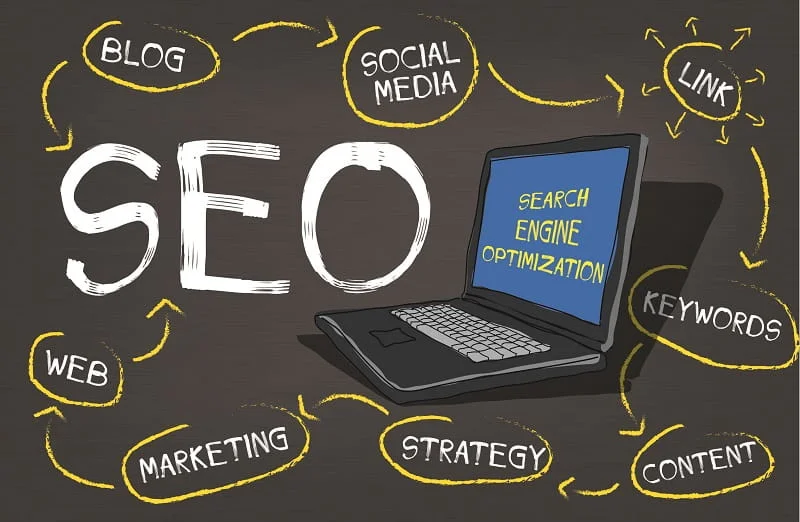
The significance of website design in successful online marketing
Getting people on your website is important, but the most critical thing is what they do with that time once they get there. A fast, easy-to-navigate, good-looking website keeps the visitor interested and allows them to look through all of the information you have available for them. If your site is slow, outdated, or hard to navigate, chances are high that they will leave your site before they even finish surfing.
Builds Trust and Credibility in Website Design in Digital Marketing
The majority of site visitors will use your site as their sole contact point for connecting with you and/or your business; thus, it is essential to create well-designed, accessible, and efficient web page(s) to foster consumer trust. So when a website makes the consumer feel at ease while he or she is surfing the site, it’s more likely the consumer will complete the purchase process, contact you about the product/service you’re marketing, or sign up for your service(s).
Responsive mobile web design and site speed are essential considerations.
As more people are using mobile devices to access the internet, web designers need to develop websites that can be accessed via several different devices, e.g., mobile phones, tablets, and desktop computers. Because of the varying devices and sizes that are available to users, there will be different methods of navigation on the website depending on which device is being used by the person accessing the website.
While mobile-friendly websites have many benefits to customers, there are also many benefits to the business owner as well. Consumer retention rates for mobile-friendly versus non-mobile-friendly websites show that the average rate of bounce is much lower after viewing just one page on a mobile-friendly website than after viewing the same page on a non-mobile-friendly website. The likelihood of a consumer purchasing on a mobile-friendly website versus a standard website is significantly increased for those consumers who engage with your webpage via mobile; therefore, designing a mobile-friendly website will benefit your business.
Last but not least, most individuals don’t like to wait for pages that take time to load. Just like how phones need smooth layouts, quick loading matters too. When sites sprint instead of crawl, people stick around longer. A tiny lag might send them elsewhere without warning. Snappy performance shapes how users feel, often pushing them to stay or act. Start by cleaning up heavy images – they slow things down more than you think. Swap out old code bits that gum up the works.
Try bringing files together so fewer trips happen between the server and the visitor. Sometimes, just changing where data lives makes pages snap open faster. Toss unnecessary scripts like extra baggage before takeoff. Start by squeezing pictures down so they take up less space without losing clarity. A smaller version still looks sharp when done right. Shrinking them helps everything load faster. Files behave better when trimmed but kept clean.
Less bulk means smoother handling across devices. Start by clearing out extra scripts slowing things down. Ditch plugins you don’t actually need. Get rid of bits adding clutter instead of speed. Pages show quicker for repeat guests when site data is saved in their browser. Start fresh with clear code that feels light and works fast. A new browser breathes easier when built on current tools. Skip old tricks – today’s web moves quicker. Tech stays sharp only if it grows. Modern pieces fit smoothly into now. Start by checking how fast your site runs every so often. When problems pop up, sort them out right away.
Frequently Asked Questions
How can website design help increase conversions? How your website looks directly impacts how people use it.
When users can effortlessly navigate through the website, quickly locate what they want, and take action — such as purchasing or submitting an inquiry — they are much more likely to convert into a customer. Site conversions work best with a good blend of clean design, easy navigation, and clear “calls-to-action”.
You should regularly update your website to ensure that it is not outdated, performs well when loaded, and offers visitors optimal experiences. Performing regular updates will keep your website looking appealing as well as being user-friendly according to current business needs.
Web design and web development, though interrelated, are separate systems with distinct roles in building a functional Website. Web design is more concentrated on creating a pleasing experience through layout design, color selections, font selection, and everything else that needs to be done in the design of a website.
Web development takes the design that was created by the web designer and builds a working website using code to ensure that all aspects of the design will work on different devices as well as across all internet browser platforms. While there is much collaboration between web designers and web developers, these two professions are not the same.
While a web designer is responsible for creating an aesthetic and intuitive digital space for users, a web developer uses programming and technical skills to produce the desired result according to the specifications from the web designer. A web designer creates the visual elements of a website, while a web developer creates the underlying code so that the visual elements function properly and accomplish their objectives.
Can my small business use a website created/produced by professionals?
Yes, a professional-looking website can help your small business to differentiate itself from your competitors, make a strong first impression on potential customers when they view your website, and provide you with a means (website) to inform potential customers about your offerings in an easy manner, improve their overall experience while browsing your products, and give them confidence in your small business. The outcome of these improvements will be that you will receive more inquiries, more sales, and more repeat visits to your website.
When planning your business website, consider some key factors beforehand. The first is a focus on defining the purpose of the site and the audience that it will serve. Secondly, once you know what the website will do and who it serves, you’d create a map (known as a ‘sitemap’) that shows where all your website content will be positioned to provide the best user experience for your target audience.
Next, consider ways to improve the visitor’s mobile experience by optimizing your site for mobile use; this will improve the mobile user’s experience on your website. Finally, you might want to optimize your site for search engines, which will give you a greater chance of converting visitors to paying customers and keeping more people coming back. Implement strong calls to action throughout your website.
Conclusion
Creating an effective web presence is key in the world of internet marketing and will not only create a site that looks good but will create sites that provide an easy-to-use UX experience, improve your data so that search engines like Google rate your website higher in their search engines, enhance your content marketing strategy, provide support for increasing your conversion rates and help you create measurable growth for your business.
A properly designed site typically has a few key indicators to look for – e.g., responsive design, fast load times, easy navigation, and customer-centric copy. The combination of these factors creates a phenomenal marketing machine for your business. If you’re ready to launch your business into the next level and want to build on what you have already done, now is a great time to evaluate the current state of your website and determine what design techniques you can implement to get more people to visit your site, trust you and your brand, and convert those visits into lifelong customers of your business.